Tot (Hijiki Seaweed)
Tot is the only seaweed harvested by haenyeo that is managed and gathered through a strong sense of community.
Each spring, haenyeo collect tot along the rocky shores.
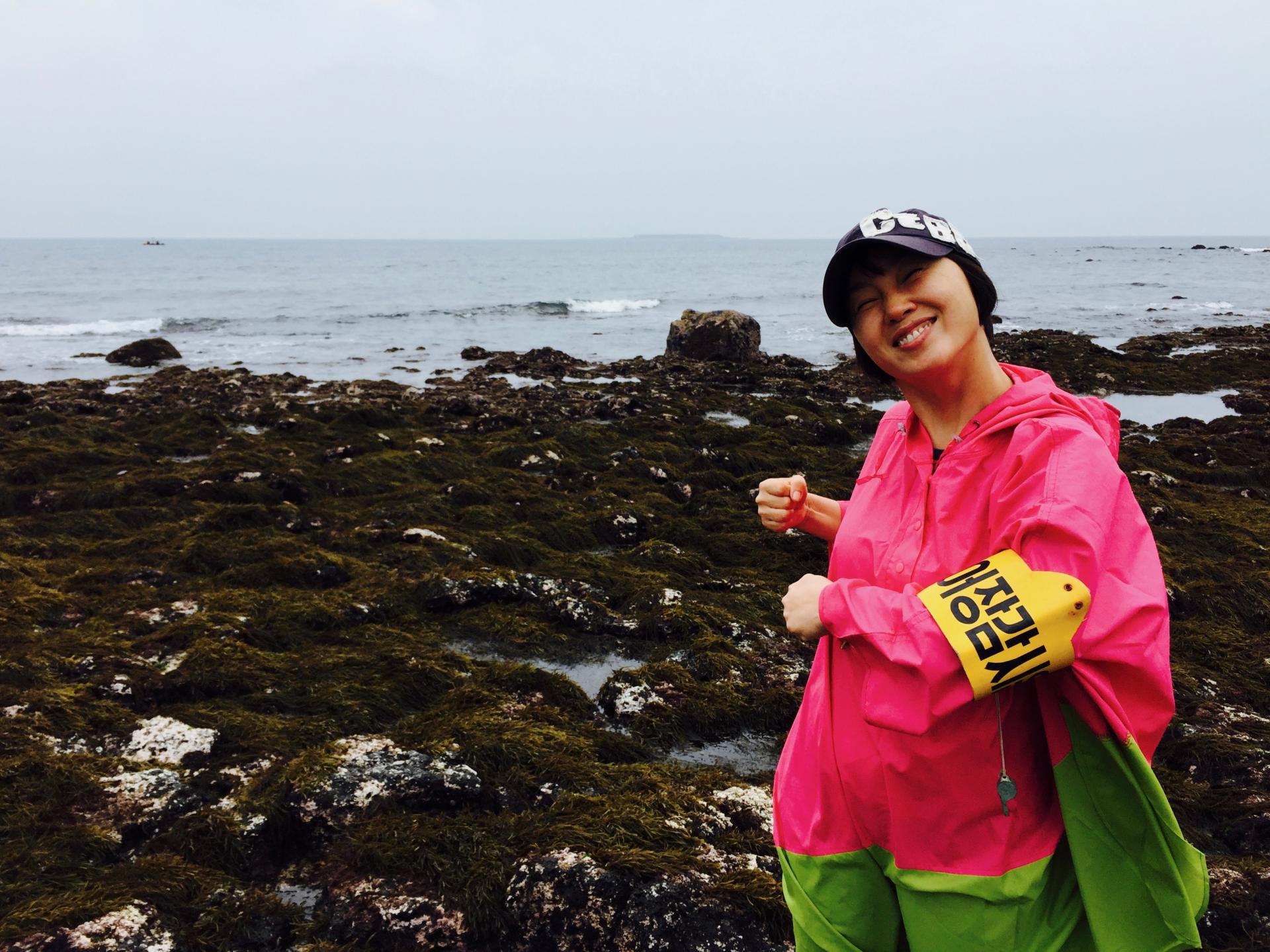
Tot is rich in dietary fiber and contains high levels of minerals such as iodine, calcium, and iron, making it beneficial for preventing anemia.
It is traditionally believed that eating tot together with tofu, which is high in protein, creates a balanced and nourishing meal, especially beneficial for women.
The areas where tot grows are known as “tot fields.”
Protecting and caring for these fields is also part of the haenyeo’s work.
Haenyeo take turns managing the tot fields, treating the sea as a shared field to be cared for collectively.
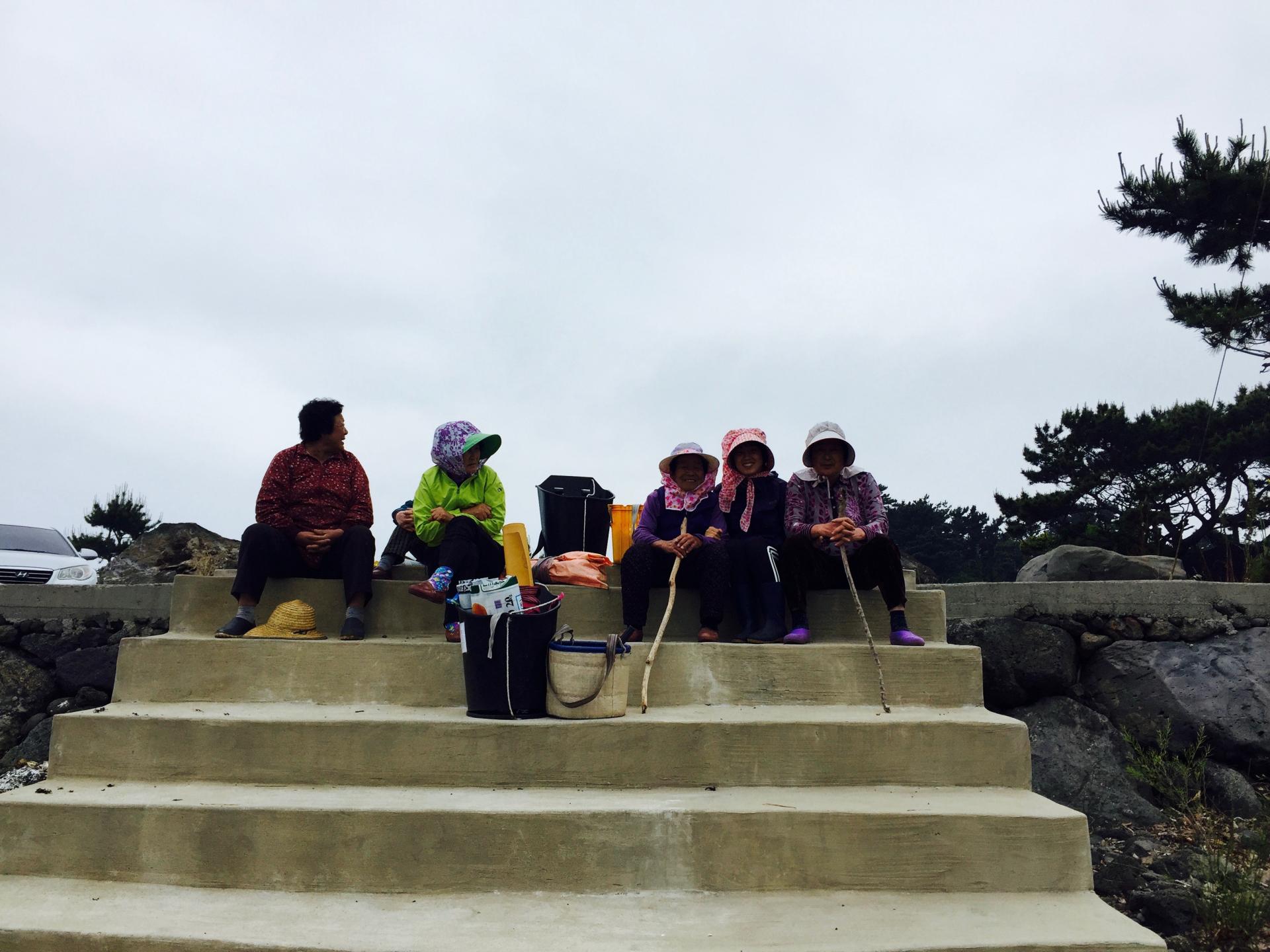
On fine spring days, haenyeo and members of the fishing village gather to harvest tot together.
During this process, not all of the tot is collected; some is intentionally left behind so that other village residents may also gather it.
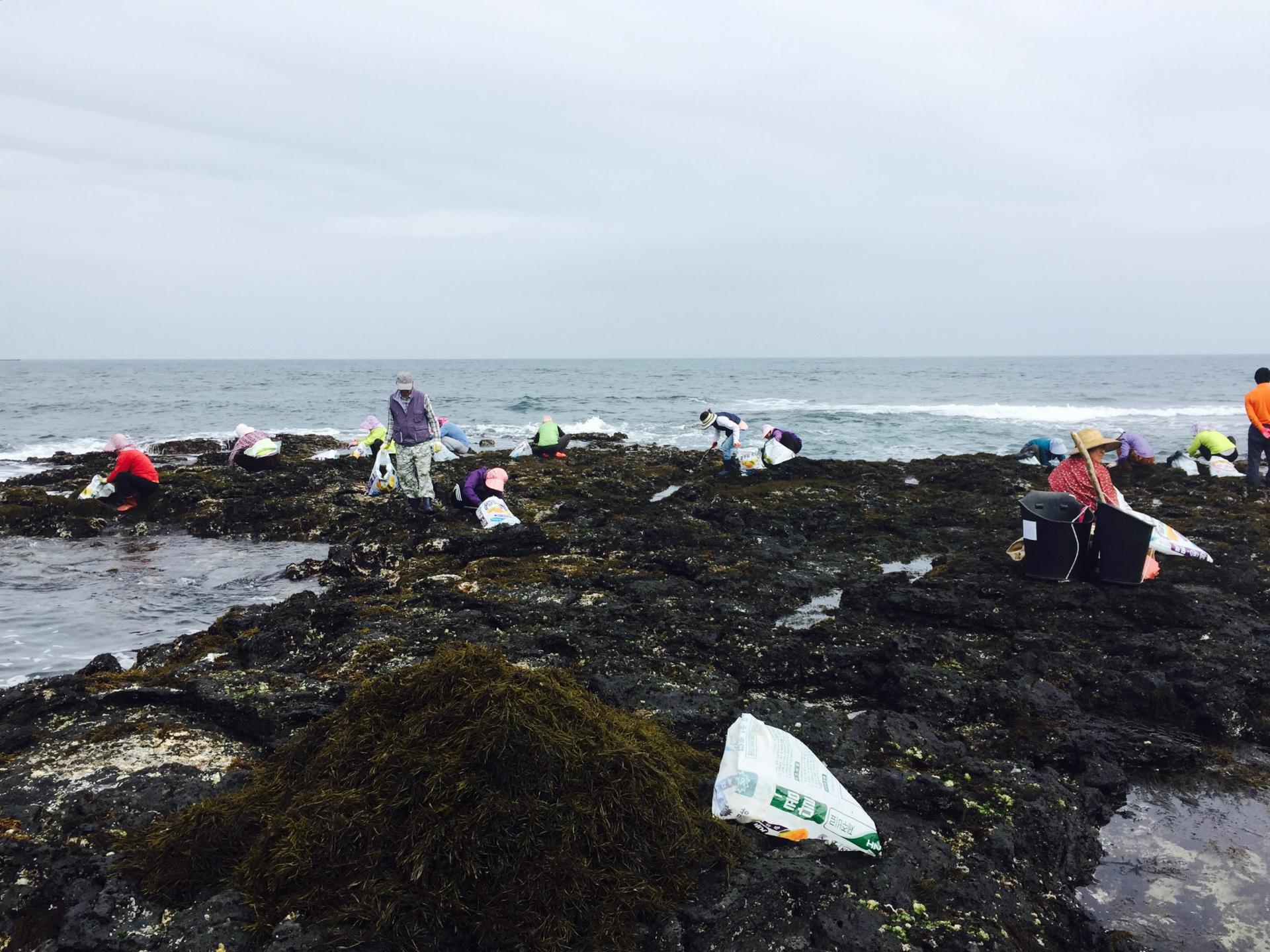
The harvested tot is then divided equally according to the number of participants.
Haenyeo often take the tot they receive and share it once again with other villagers.
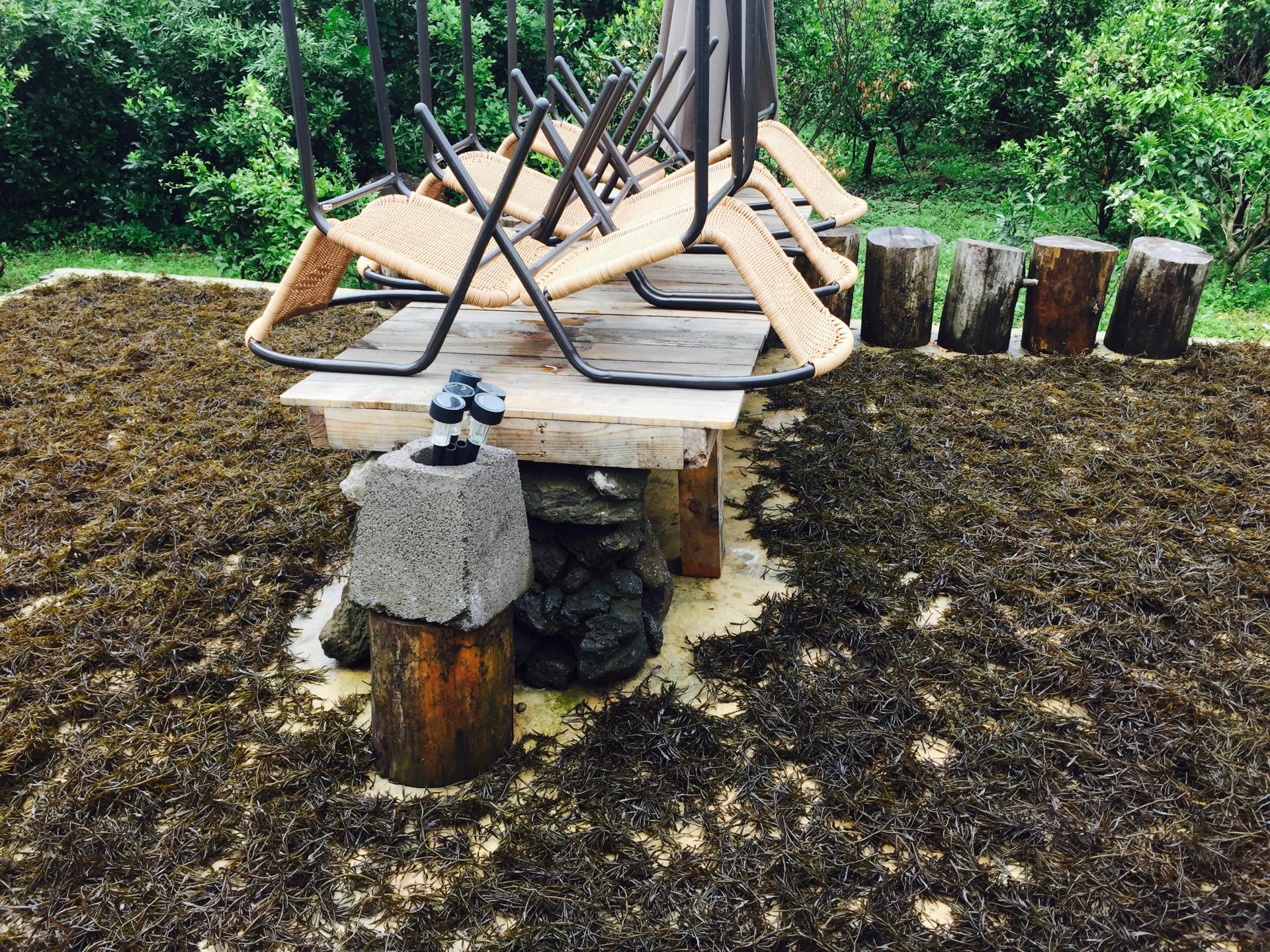
(Tot Seaweed in the Drying Process)
Through the harvesting of tot, the values of sharing, care, and community—deeply rooted in haenyeo culture—are revealed.
톳
톳은 해녀들이 채취하는 해초 가운데,
유일하게 공동체의 정신으로 관리하고 채취하는 해초이다.
매년 봄, 해녀들은 갯가에서 톳을 채취한다.
톳은 식이섬유가 풍부하고 아이오딘, 칼슘, 철분 등
여러 무기염류를 많이 함유하고 있어 빈혈 예방에 도움이 되는 해초로 알려져 있다.
특히 단백질이 풍부한 두부와 함께 먹으면
여성에게 좋은 영양적 균형을 이루는 식재료로 전해진다.
톳이 자라는 바다는 해녀들에게 ‘톳밭’이라 불리며,
이 톳밭을 지키고 가꾸는 일 또한 해녀들의 중요한 역할이다.
해녀들은 순번을 정해 돌아가며 바다의 밭인 톳밭을 관리한다.
날이 좋은 봄날에는 해녀들과 어촌계원들이 모두 모여
함께 톳을 채취한다.
이때 톳을 모두 채취하지 않고 일부를 남겨 두어,
마을 사람들 또한 톳을 채취할 수 있도록 배려한다.
이렇게 채취한 톳은 인원수에 맞게 공평하게 나누어 가지며,
해녀들은 자신이 가져온 톳을 다시 마을 사람들과 나누기도 한다.
톳 채취에는 자연과 더불어 살아온 해녀 공동체의
나눔과 배려의 문화가 담겨 있다.



Tot (Hijiki Seaweed)
Tot is the only seaweed harvested by haenyeo that is managed and gathered through a strong sense of community.
Each spring, haenyeo collect tot along the rocky shores.
Tot is rich in dietary fiber and contains high levels of minerals such as iodine, calcium, and iron, making it beneficial for preventing anemia.
It is traditionally believed that eating tot together with tofu, which is high in protein, creates a balanced and nourishing meal, especially beneficial for women.
The areas where tot grows are known as “tot fields.”
Protecting and caring for these fields is also part of the haenyeo’s work.
Haenyeo take turns managing the tot fields, treating the sea as a shared field to be cared for collectively.
On fine spring days, haenyeo and members of the fishing village gather to harvest tot together.
During this process, not all of the tot is collected; some is intentionally left behind so that other village residents may also gather it.
The harvested tot is then divided equally according to the number of participants.
Haenyeo often take the tot they receive and share it once again with other villagers.
(Tot Seaweed in the Drying Process)
Through the harvesting of tot, the values of sharing, care, and community—deeply rooted in haenyeo culture—are revealed.
톳
톳은 해녀들이 채취하는 해초 가운데,
유일하게 공동체의 정신으로 관리하고 채취하는 해초이다.
매년 봄, 해녀들은 갯가에서 톳을 채취한다.
톳은 식이섬유가 풍부하고 아이오딘, 칼슘, 철분 등
여러 무기염류를 많이 함유하고 있어 빈혈 예방에 도움이 되는 해초로 알려져 있다.
특히 단백질이 풍부한 두부와 함께 먹으면
여성에게 좋은 영양적 균형을 이루는 식재료로 전해진다.
톳이 자라는 바다는 해녀들에게 ‘톳밭’이라 불리며,
이 톳밭을 지키고 가꾸는 일 또한 해녀들의 중요한 역할이다.
해녀들은 순번을 정해 돌아가며 바다의 밭인 톳밭을 관리한다.
날이 좋은 봄날에는 해녀들과 어촌계원들이 모두 모여
함께 톳을 채취한다.
이때 톳을 모두 채취하지 않고 일부를 남겨 두어,
마을 사람들 또한 톳을 채취할 수 있도록 배려한다.
이렇게 채취한 톳은 인원수에 맞게 공평하게 나누어 가지며,
해녀들은 자신이 가져온 톳을 다시 마을 사람들과 나누기도 한다.
톳 채취에는 자연과 더불어 살아온 해녀 공동체의
나눔과 배려의 문화가 담겨 있다.